Young Blood: A Handwritten Font with Raw Energy
Some design projects call for a typeface that feels immediate, personal, and a little untamed. If you're working on something that needs to grab attention with a human touch, a standard serif or sans serif font often falls short. This is where a premium font like Young Blood enters the conversation. It's not just a script font; it's a statement piece with a distinct handwritten font character and a gritty, grunge aesthetic that's hard to ignore.
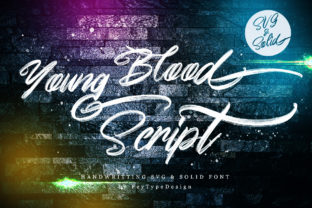
At its core, Young Blood is a display font designed for impact. Its letters are formed with the irregular, flowing strokes of a marker or brush, but the edges are intentionally rough and textured. This "messy grunge style" gives it a raw, authentic energy that feels spontaneous rather than polished. The font package includes two key versions: a solid, single-color version for straightforward use, and its standout feature—amazing SVG versions. These Opentype-SVG color fonts preserve the natural texture and brushstroke details, allowing for multicolored, textured lettering directly in your design software.
Where This Creative Font Finds Its Voice
The real value of a typeface like Young Blood lies in its specific applications. It's a specialist, not a generalist. Think about projects where emotion, energy, and a handmade feel are paramount. In logo design for a craft brewery, a skateboard brand, or an indie music label, this font can instantly communicate a rebellious or artisanal spirit. For packaging design on coffee bags, hot sauce, or artisanal goods, its texture adds a layer of perceived craftsmanship and authenticity.
Beyond branding, its strengths shine in event-driven and editorial contexts. Wedding stationery for a rustic or bohemian-themed event can use it for a relaxed, romantic vibe. It’s equally effective for concert posters, festival merchandise, and t-shirts where the message needs to feel personal and loud. For digital creators, it can bring life to social media graphics, YouTube thumbnails, or podcast artwork. The key is to use it where its personality enhances the message, rather than where readability for long passages is the primary concern.
Making It Work: Practical Guidance for Designers and Creators
Adopting a bold creative font requires some strategy. First, always consider your project's context and audience. Young Blood appeals to a younger, more alternative demographic. For a corporate financial report, it would be a poor choice, but for a streetwear brand's Instagram ad, it could be perfect. Its visual hierarchy is inherently top-tier; use it for headlines, logos, or short, impactful phrases where it can dominate the design. Pair it with a clean, simple sans serif font for body text to maintain clarity and create a balanced font pairing.
Before committing, evaluate the included styles. The SVG version is a game-changer for texture and color, but it does have compatibility requirements. It works seamlessly in PhotoShop, Illustrator, Silhouette, and Inkscape. However, the OTF and TTF files are not compatible with Cricut machines, a crucial detail for crafters. Test the font at the size you intend to use it. While it's designed for display, ensuring the letterforms remain distinct at your chosen scale is part of good modern typography practice.
Integrating Young Blood into Your Brand Identity
Using a font with such a strong personality in brand identity work means it should become a recognizable asset, not a one-off gimmick. Consistency is key. If you use Young Blood for your logo, consider using a complementary style from the font family or a carefully chosen serif font partner for other brand materials to create a cohesive system. Its rough texture can add a layer of depth to digital designs, but for web design, ensure you have a web-safe fallback font specified to maintain the site's integrity if the custom font fails to load.
Ultimately, Young Blood is a powerful tool in a designer's or creator's toolkit. It’s a commercial font that offers a unique aesthetic for specific, high-impact applications. By understanding its strengths—its raw, SVG-powered texture and expressive handwritten font style—and its limitations, you can deploy it to create design assets that feel genuinely human, energetic, and memorable. It’s less about flawless legibility and more about making an authentic visual connection.