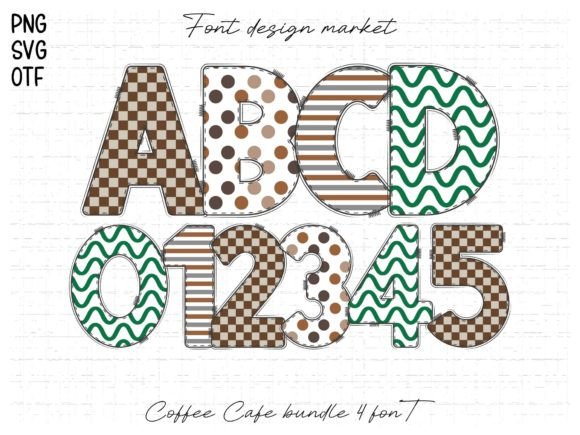
Coffee Cafe Font: Brewing a Stronger Brand Identity
If you have ever tried to design a menu for a local roastery or create a logo for a mobile coffee cart, you know the struggle of finding the right typography. Standard serif fonts often feel too corporate, and generic sans serif options can look sterile and cold. You need a typeface that captures the warmth of a fresh brew and the artisanal nature of your product. This is where Coffee Cafe enters the picture. It is not just another display font; it is a thematic design asset specifically engineered to bring the coffeehouse vibe directly into your creative work. Designed with intricate details of coffee beans integrated into the letterforms, this font offers a quirky, engaging twist on modern typography.
Visual Characteristics and Personality
At first glance, Coffee Cafe strikes a balance between playful and professional. It is a color font, meaning the letters are designed with built-in textures and hues that mimic the look of roasted coffee beans. However, unlike some decorative fonts that sacrifice legibility for style, Coffee Cafe maintains a strong visual hierarchy. The characters are distinct, making it a viable option for headers, subheadings, and logo design where immediate impact is necessary.
The personality of this typeface is undeniably cozy and inviting. It evokes the atmosphere of a Saturday morning spent in a favorite café. The visual weight of the letters feels substantial, much like a heavy ceramic mug. For designers and entrepreneurs, this font serves as a shortcut to establishing a specific mood. Instead of layering multiple textures in PhotoShop to get a "bean" effect, Coffee Cafe delivers that aesthetic instantly. It bridges the gap between a handwritten font and a structured display font, offering the charm of the former with the reliability of the latter.
Strategic Applications for Branding and Marketing
When building a brand identity, consistency is king. Coffee Cafe is an excellent premium font choice for small business owners in the food and beverage industry, particularly those focusing on artisanal goods. It works exceptionally well for packaging design. Imagine this typeface on a label for a bag of whole beans or a line of specialty teas; the font immediately communicates the product's nature without needing excessive explanatory graphics.
For social media graphics, where attention spans are short, this font acts as a visual hook. It is ideal for Instagram headers, Pinterest pins, or promotional flyers for local events. Because it is a display font, it commands attention in short bursts of text. However, it is crucial to understand where to draw the line. While Coffee Cafe excels in logos and headers, it is not designed for long-form body text. Using a creative font like this for paragraphs can tire the reader's eyes. Instead, pair it with a clean sans serif font for the details. For example, use Coffee Cafe for the phrase "Grand Opening" and pair it with a neutral sans serif for the date, time, and address. This contrast creates a dynamic visual hierarchy that guides the reader through the information efficiently.
Technical Versatility and Machine Compatibility
One of the most practical aspects of Coffee Cafe is its adaptability across different production methods, specifically regarding the black version of the font. If you are a crafter or hobbyist who utilizes cutting machines like Cricut, you will appreciate that the solid black iteration is fully compatible with Cricut Design Space and similar software. This opens up a world of possibilities for physical products. You can create custom vinyl decals for coffee tumblers, stencil designs for chalkboard menus, or iron-on transfers for barista aprons.
It is important to note, however, the distinction between the black and color versions. The color version—which features the realistic coffee bean textures—is an OpenType feature that requires specific software to function correctly. Programs like Adobe PhotoShop, Illustrator, Silhouette Studio, and Inkscape can render the color properties. This version is strictly for digital design or high-end printing where the file format preserves the vector color data. If you attempt to use the color OTF or TTF files in basic word processors or cutting machine software that do not support advanced OpenType features, you may only see the black outline or a distorted version of the font. Always test your design assets in your specific software environment before finalizing a project to ensure the typography renders as intended.
Evaluating Project Fit and Font Pairing
Choosing a font is about more than just aesthetics; it is about communication. Before selecting Coffee Cafe for a project, ask yourself if the tone matches the message. This typeface is perfect for a cozy coffee shop, a bakery, or a lifestyle blog focused on comfort food. It might, however, feel out of place for a corporate law firm or a high-tech startup. Understanding the context ensures your design feels authentic rather than forced.
When it comes to font pairing, let Coffee Cafe be the star of the show. Because it has such a distinct texture and personality, it pairs best with neutral fonts. A classic serif font can provide a traditional, editorial feel, while a geometric sans serif offers a modern, clean contrast. Avoid pairing it with other ornate script fonts or handwritten fonts, as this will create visual chaos. The goal is to let the quirky details of the coffee bean font shine without overwhelming the viewer.
Final Thoughts on Commercial Use
For content creators and publishers, licensing is a critical factor. Coffee Cafe is a commercial font, meaning you are investing in a design asset that legitimizes your business. Using properly licensed typography protects you legally and supports the typographers who craft these intricate designs. Whether you are designing a one-off menu for a client or building a long-term brand identity for your own shop, having a reliable, high-quality font library is essential. Coffee Cafe offers a unique blend of thematic charm and practical utility, making it a valuable addition to any designer’s toolkit. It brings the warmth of the coffee shop to the screen and the page, helping you connect with your audience through the universal language of good design.